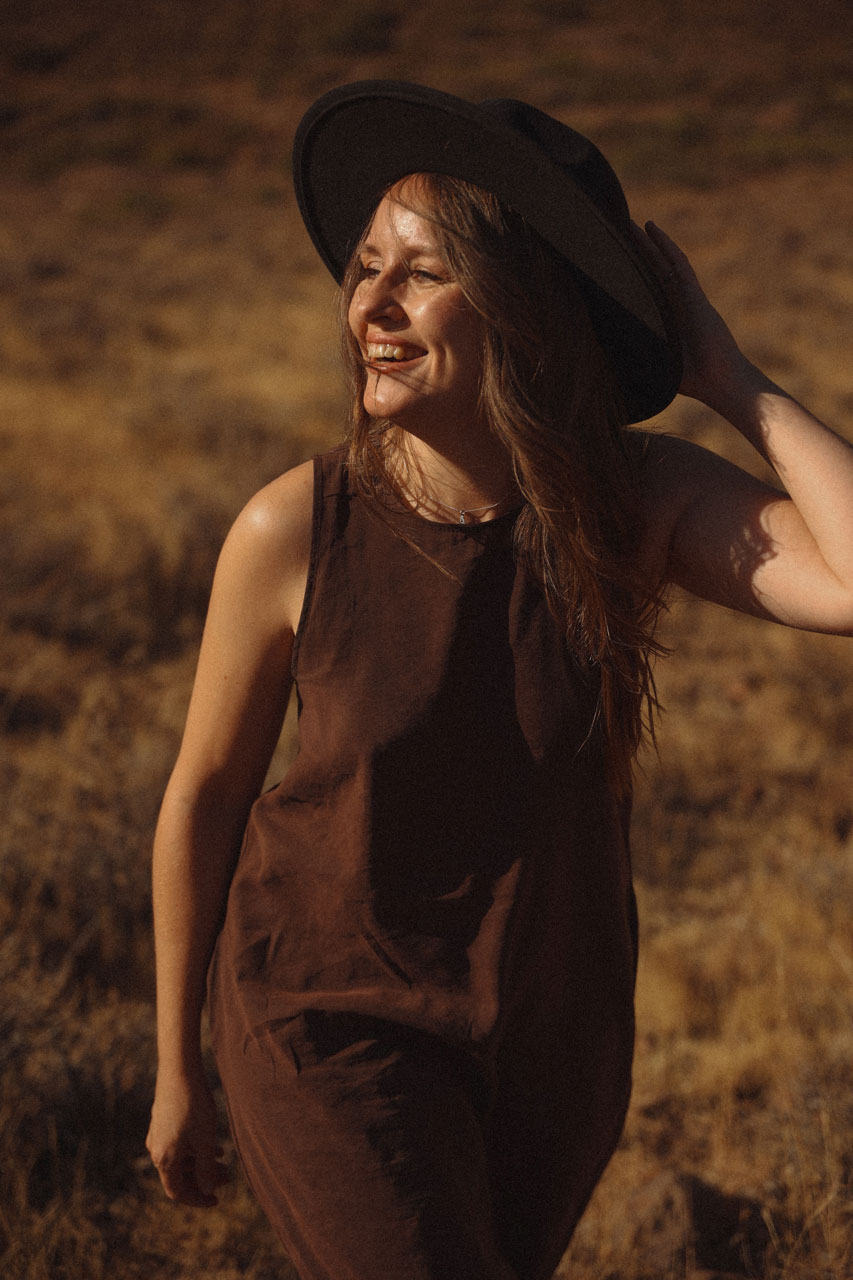
How did your journey into photography begin, and what experiences or training shaped your early career?
My journey into photography began 15 years ago, with the birth of my daughter. I wanted to capture every moment of her life, so I started by photographing her with a simple point-and-shoot camera. Over time, my interest grew deeper, and I bought my first semi-professional camera. I photographed constantly: children, families, and eventually couples, experimenting, learning, and searching for my own style and niche. Looking back, that period of exploration at the very beginning of my career played a key role in shaping the direction I would later follow as a photographer.
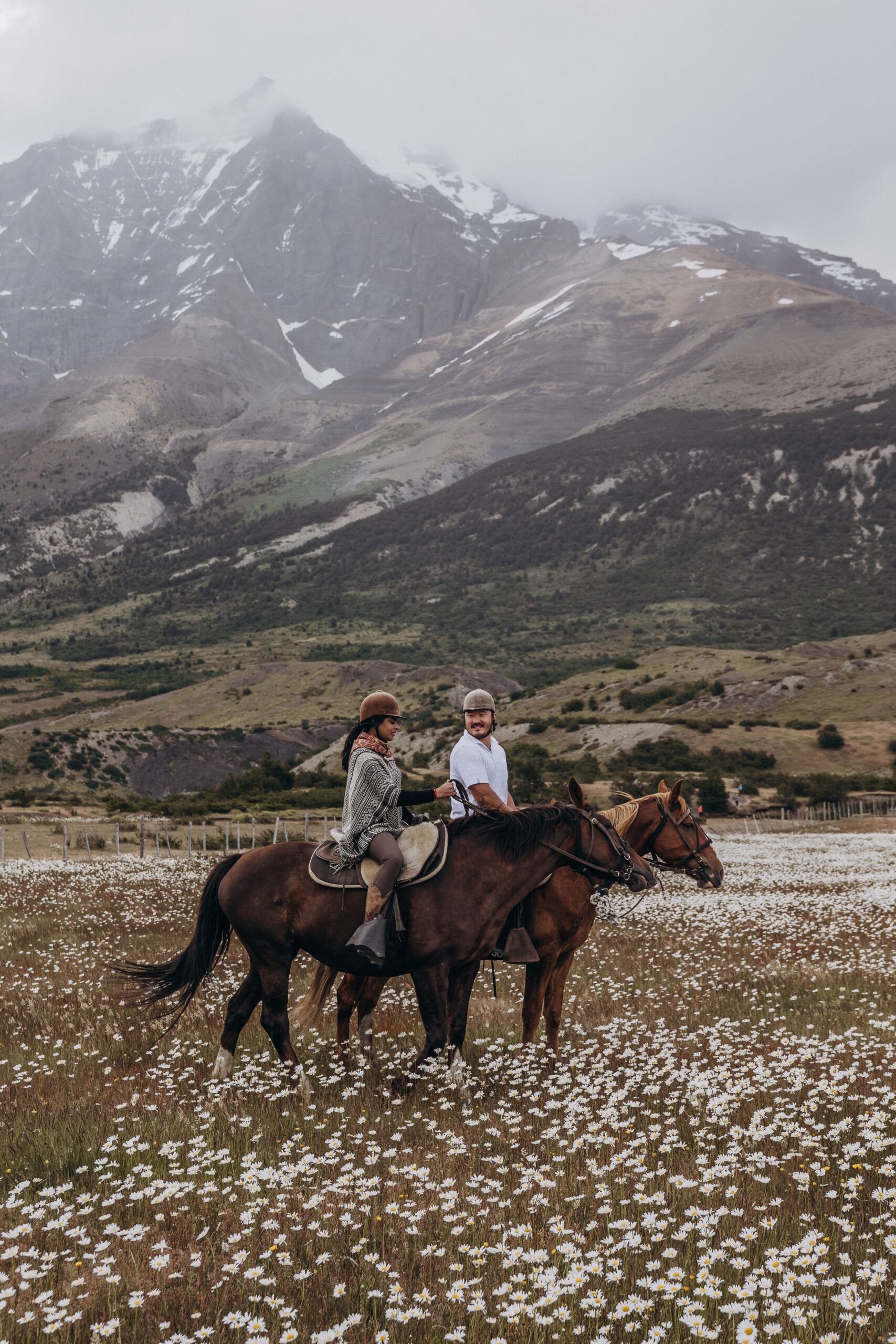
“That combination of empathy, awareness, and a strong sense of personal values, gradually shaped my authentic visual language and personal brand”.
What were some of the main challenges you encountered at the start, and how did those experiences influence the professional you are today?
In the beginning, everything was driven by pure enthusiasm and felt almost like a game. To be honest, for a long time I didn’t see photography as something truly serious, as a profession or a business. It did bring me income, but for many years it remained more of a secondary activity. The real challenge came five years ago, when I moved to Chile. That moment forced me to make a clear choice: either to look at photography differently and make it my priority, or to leave it behind and move on to something else. A new country, a new culture, a new language, and a completely different mindset, all of this became a true test as I built myself on a new market. It was then that I truly understood that photography is not just about creating beautiful images, that alone is not enough. Photography is also about management, self-presentation, learning how to sell your work, and building strong networks and professional connections.
Your work has a very recognizable identity. How did you develop an authentic visual language and personal brand over time?
It truly took me a long time to develop my own authorial style; perhaps longer than it does for many photographers. What helped me most in this process was learning to truly see and listen to people, not on a physical level, but on a much deeper one. I began to understand what really lies behind a person’s need for photography, beyond the image itself. At the same time, I worked on clearly defining my own values as a photographer. That combination of empathy, awareness, and a strong sense of personal values, gradually shaped my authentic visual language and personal brand.
The creative and photography industries evolve constantly, with new trends, technologies, for example, asking to go back to film, there are new expectations from couples, and entrepreneurs emerging every day. From your perspective, what advice would you offer to women who are just beginning their journey?
I have always believed that trends are temporary by nature. Today film is in fashion, tomorrow it’s digital. Today it’s grainy editing, tomorrow it’s crystal-clear colors. What truly remains constant are human emotions and the moments in which they are experienced. That’s why I believe it’s essential to focus on refining the ability to recognize, feel, and capture genuine emotions and real feelings, and to give them the attention they deserve in your work. This is a skill that will never go out of style, and it’s what will always matter most.
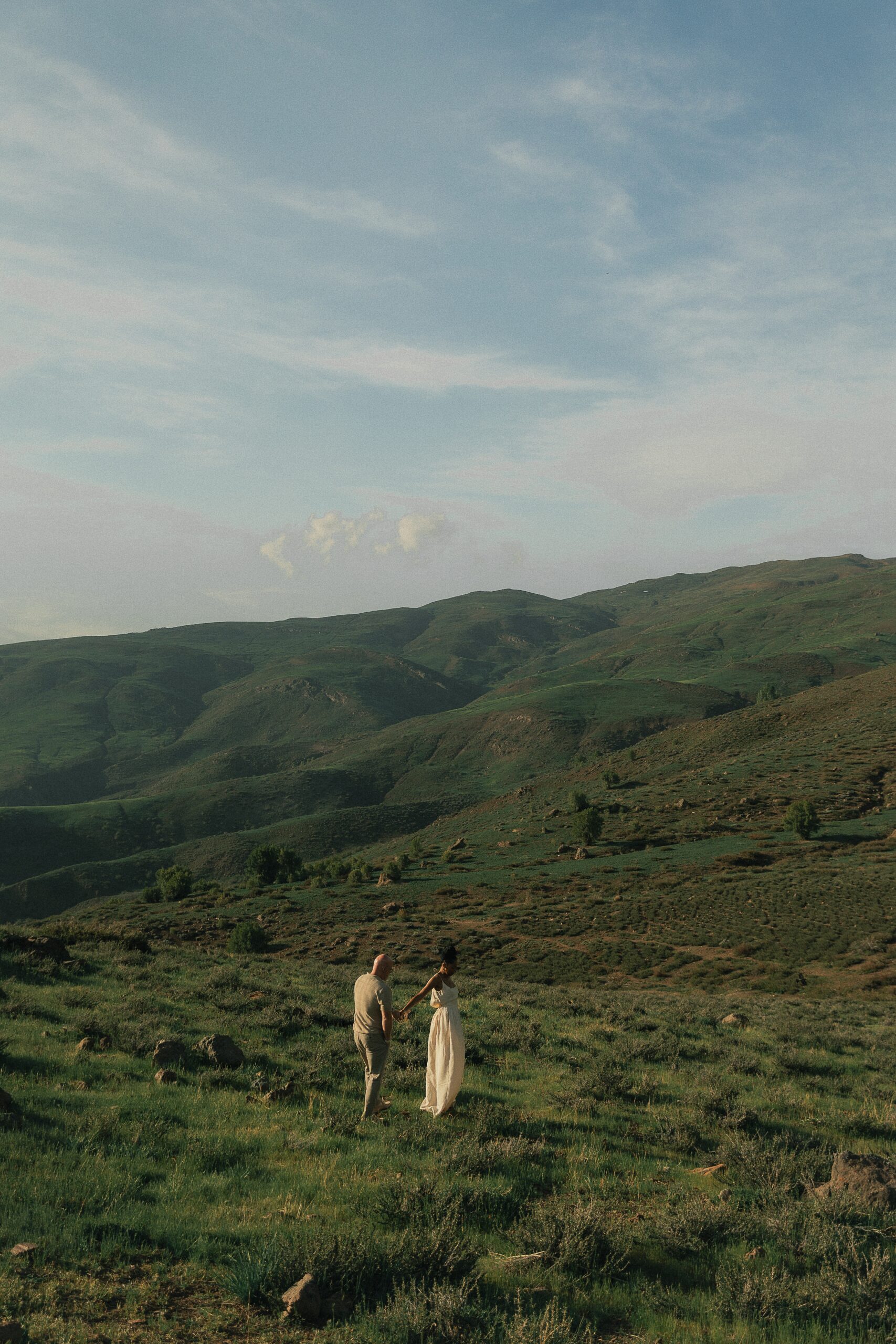
“I have always believed that trends are temporary by nature. Today film is in fashion, tomorrow it’s digital. Today it’s grainy editing, tomorrow it’s crystal-clear colors. What truly remains constant are human emotions and the moments in which they are experienced”.
Was there a defining moment or project that marked a turning point in your professional path?
Yes, my move to Latin America was a defining turning point in my professional path. It brought an entirely new set of challenges and questions that I had to answer. In many ways, I had to rediscover myself, both as a person and as a professional, within a completely new environment.
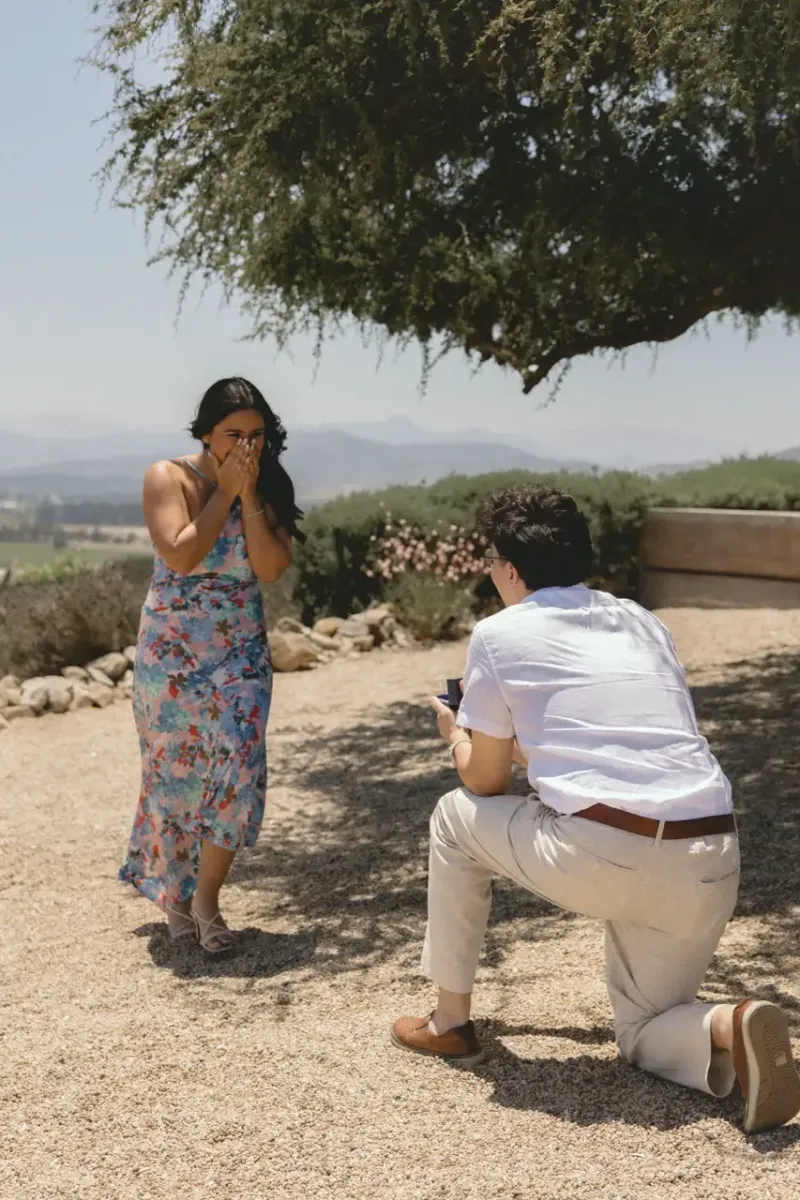
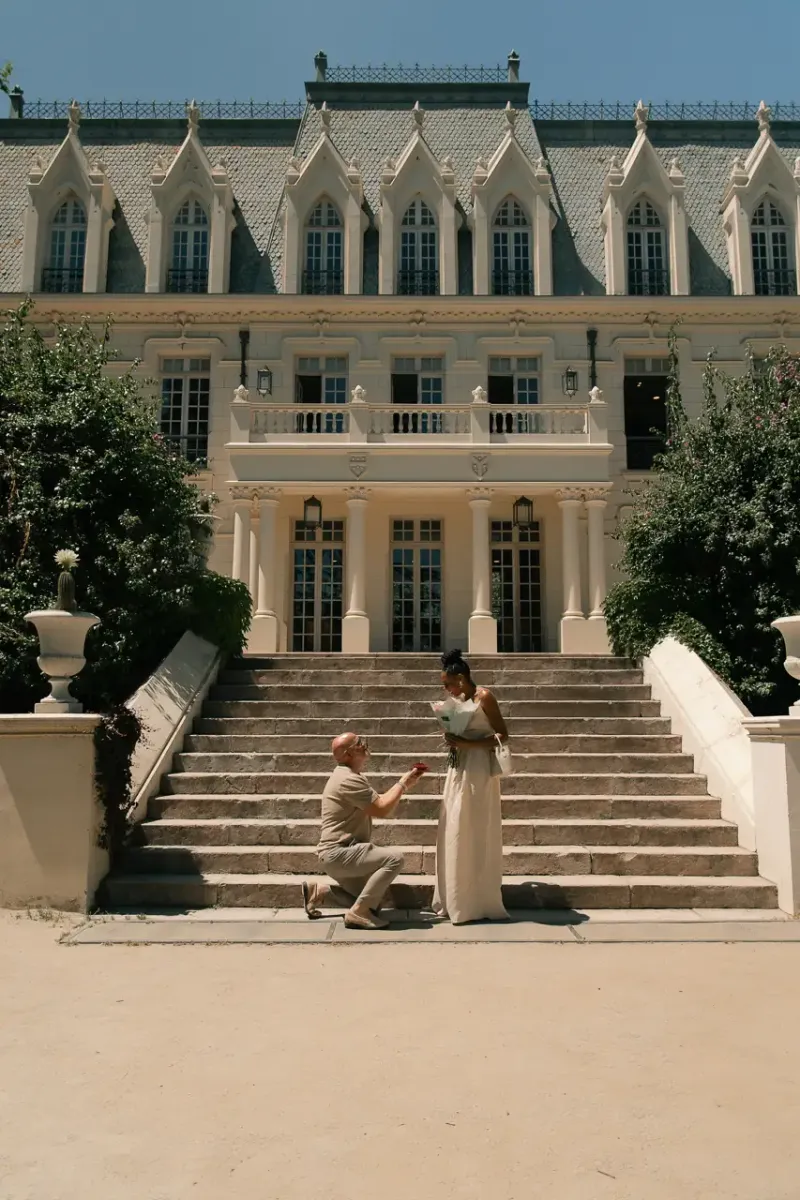
Another important milestone was my first projects with international clients, primarily from the United States. In Chile, the niche of elopement and destination photography is still not widely developed, and in a sense, I became a pioneer in this field here — learning, navigating, and solving a large number of new challenges along the way.
At the beginning, everything felt difficult and uncertain. But today, I can confidently say that I have grown significantly and established myself as a professional in this area.
Today, I see myself not just as a photographer working in Latin America, but as someone actively shaping how elopement and destination photography is perceived in this region. In a place where this genre is still evolving, my work contributes to defining its visual language and emotional depth.
Your images often tell deeply emotional stories. How do you connect with your clients to translate their essence into a unique visual narrative?
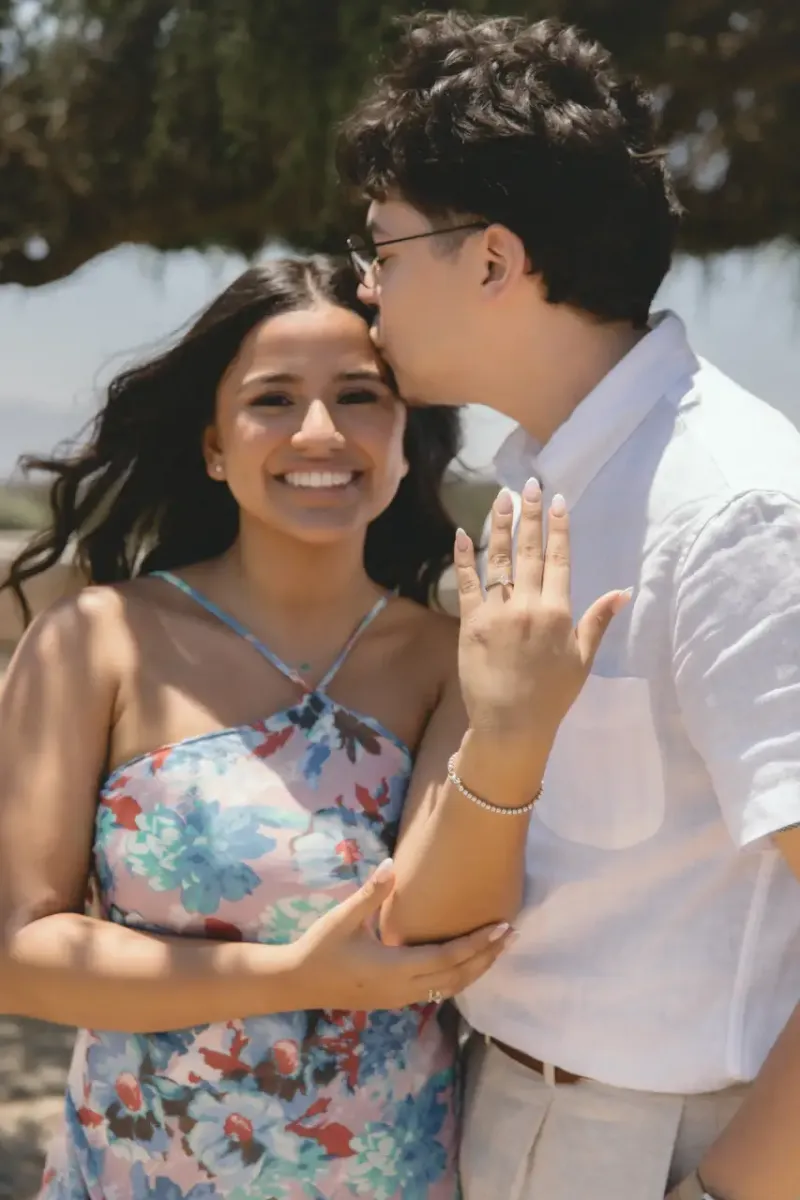
I believe it’s essential to see a client not as a source of income, but first and foremost as a person — with their own fears, questions, and insecurities. Meaningful conversation and genuine connection from the very first interaction, starting with the initial inquiry, make a profound difference. Showing sincere interest in a client’s story allows me to go beyond surface-level images and create photographs that reflect something deeper and more personal.
How do sensitivity and intuition influence your approach to storytelling and the creation of meaningful imagery?
Oh, I’m a Gemini! We’re known for having especially strong intuition, haha. I pay close attention to my inner voice and rely on it very often in my work. Sensitivity and intuition guide many of my creative decisions. There are moments when I’m preparing a project and suddenly feel that something isn’t quite right, that the story doesn’t come together as a whole. It’s usually not something obvious or technical, but a subtle inner signal. In those situations, I prefer to pause, step back, and explore alternative approaches until everything aligns and forms a complete, coherent puzzle.
How has your definition of success evolved since the beginning of your career?
My definition of success has changed significantly over time. Success is not the amount of money you earn, although, of course, earning well is pleasant. It’s also not the number of followers on social media or the number of awards you collect.
For me, success is reading heartfelt, enthusiastic reviews from my clients and hearing their words of gratitude after the work is done. Success is also when people reach out to you without even knowing you personally and say something like, “We were searching, and we fell in love with your vision.” Those moments are what truly define success for me today.
What’s next for you? Are there new projects, creative directions, or challenges that excite you at this stage of your journey?
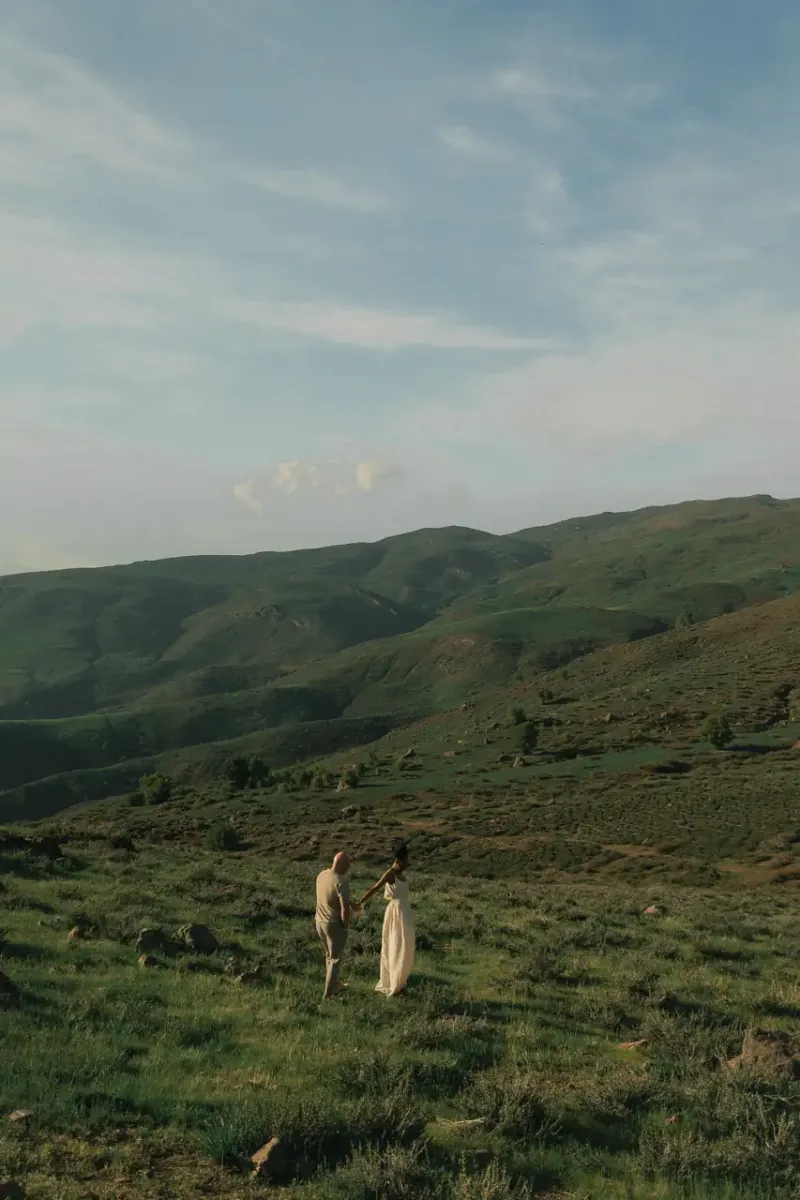
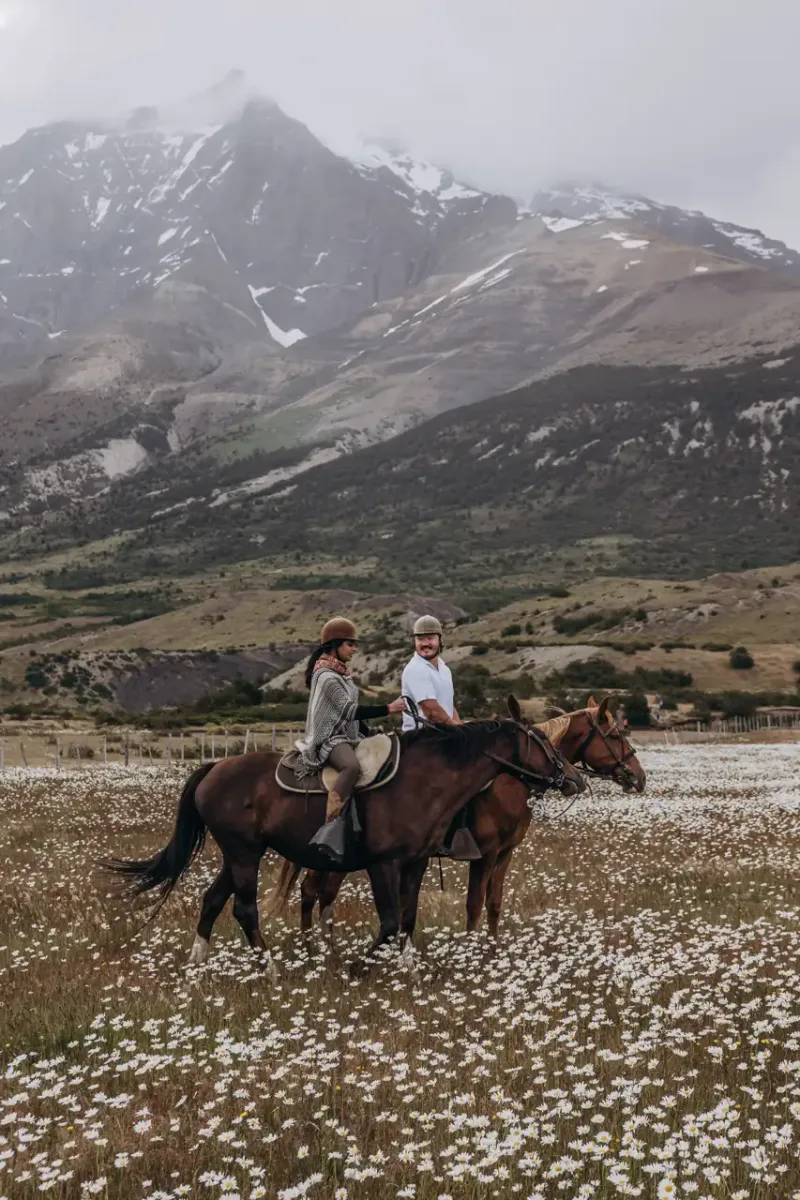
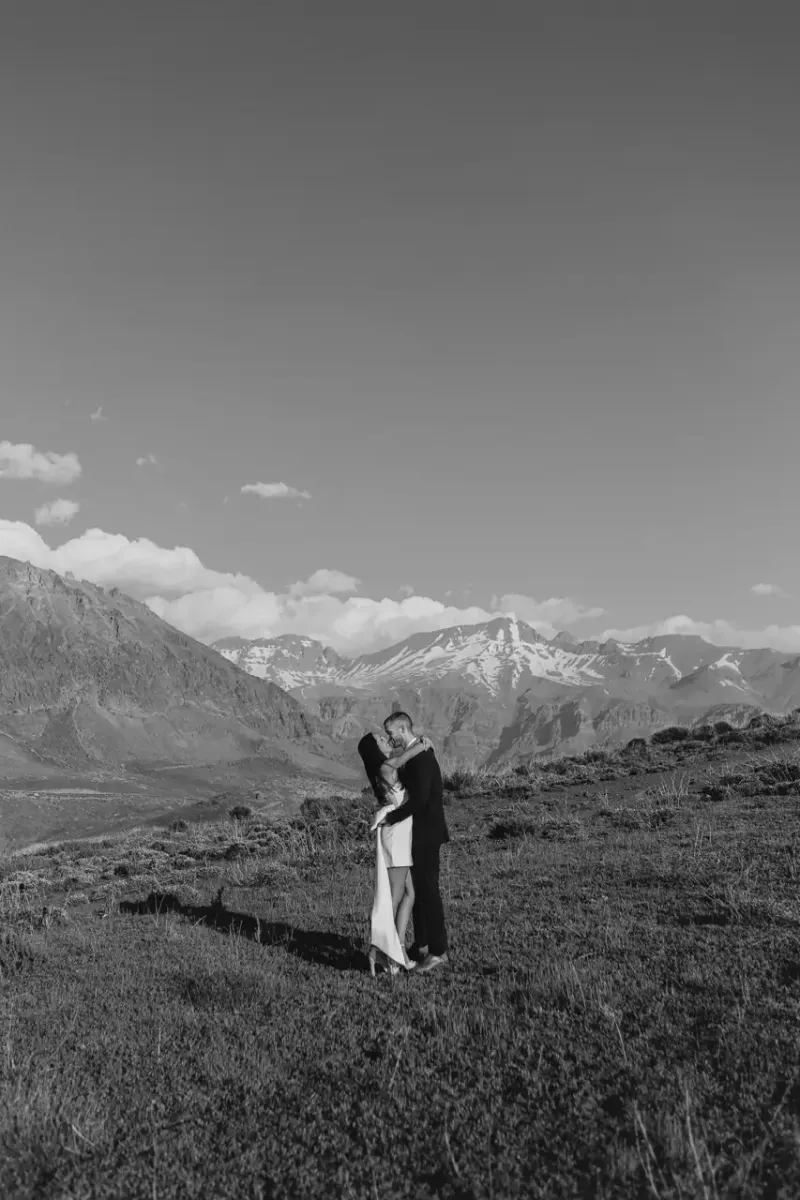
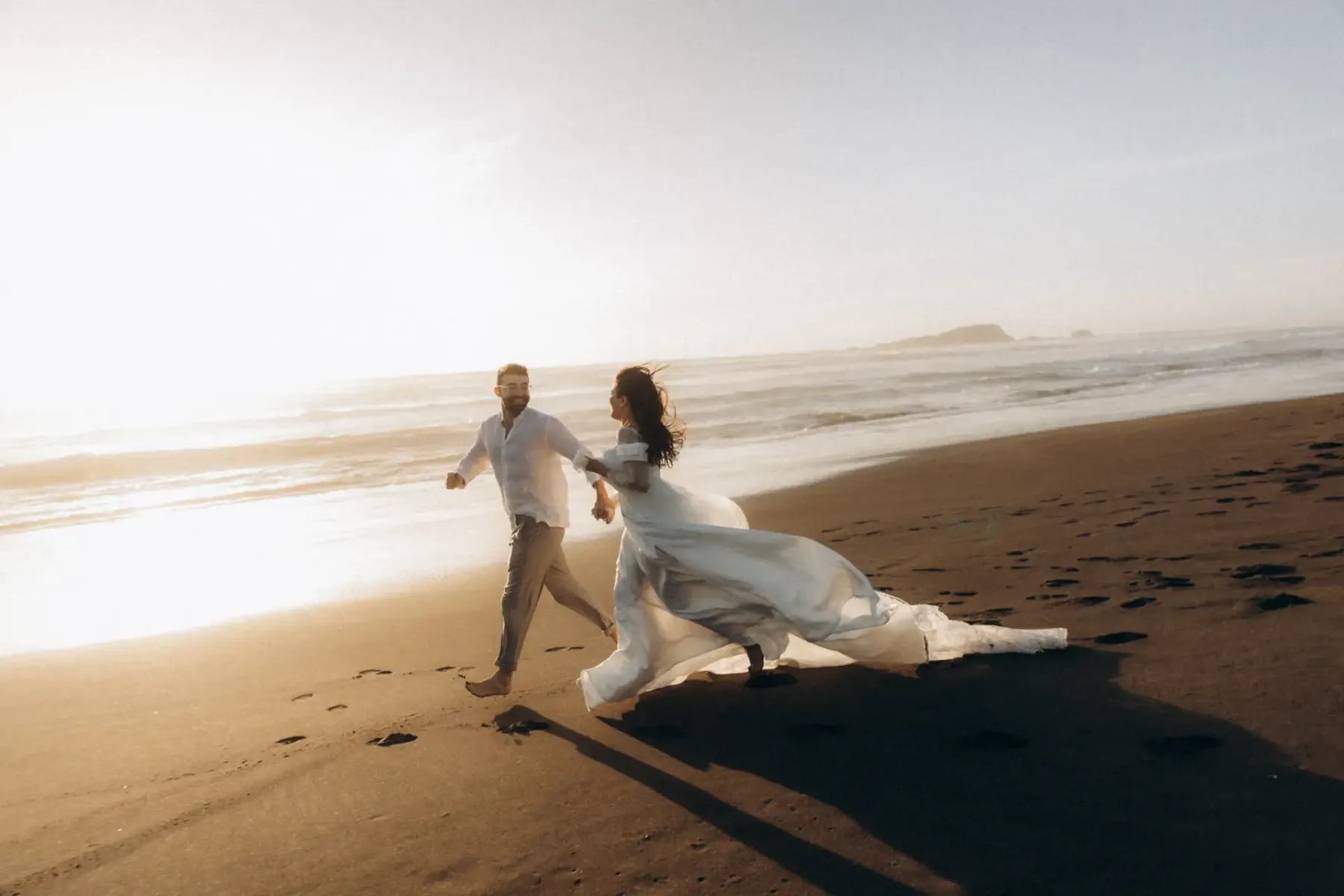
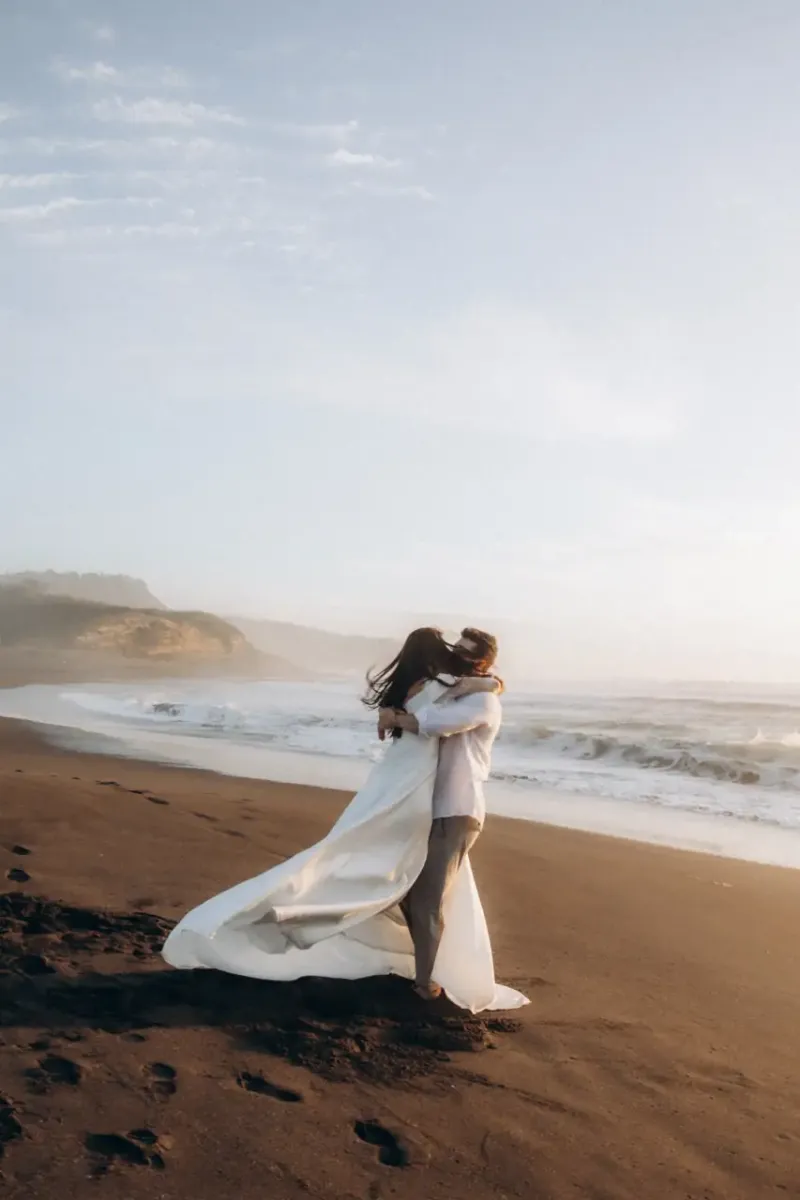
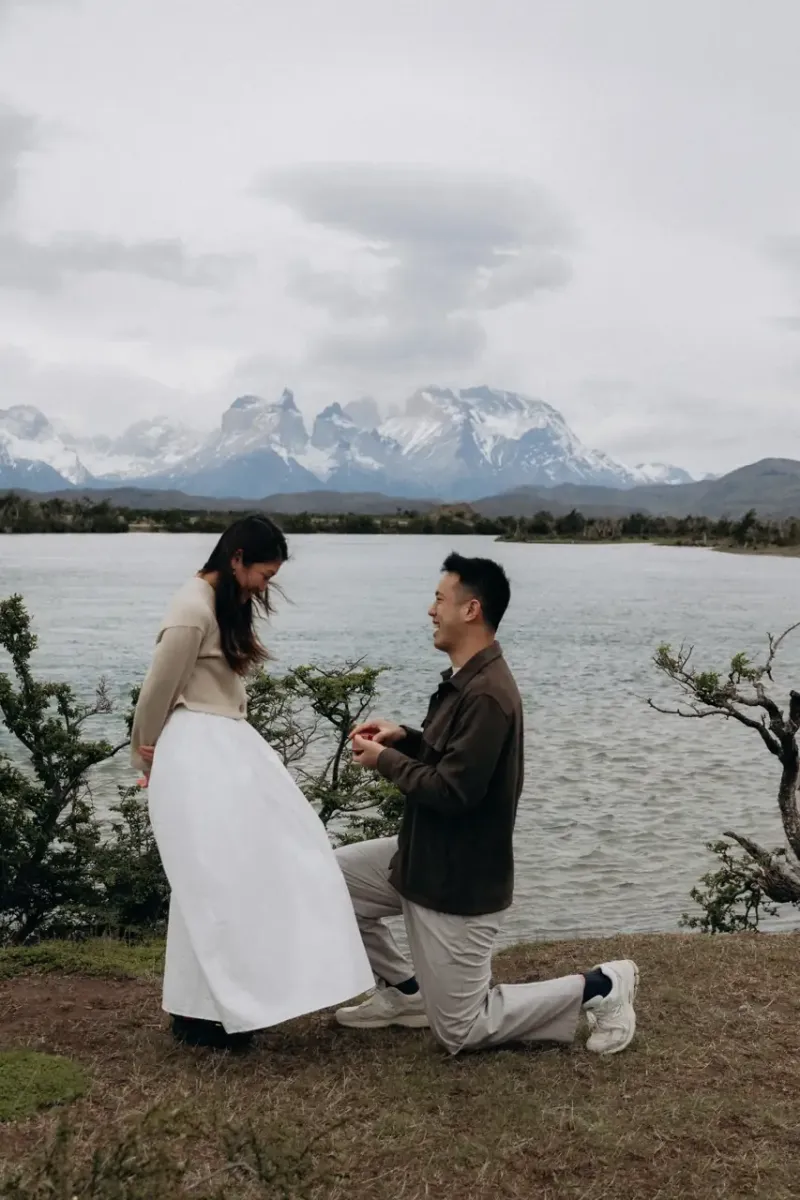
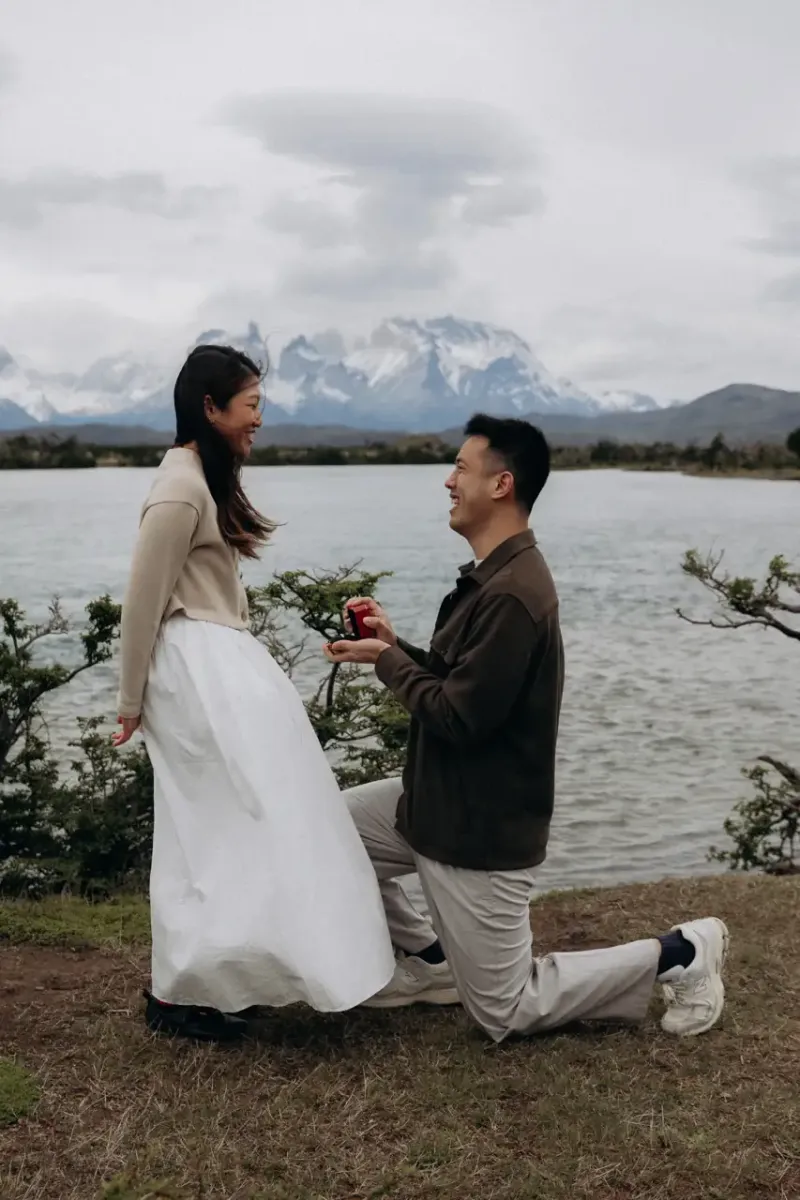
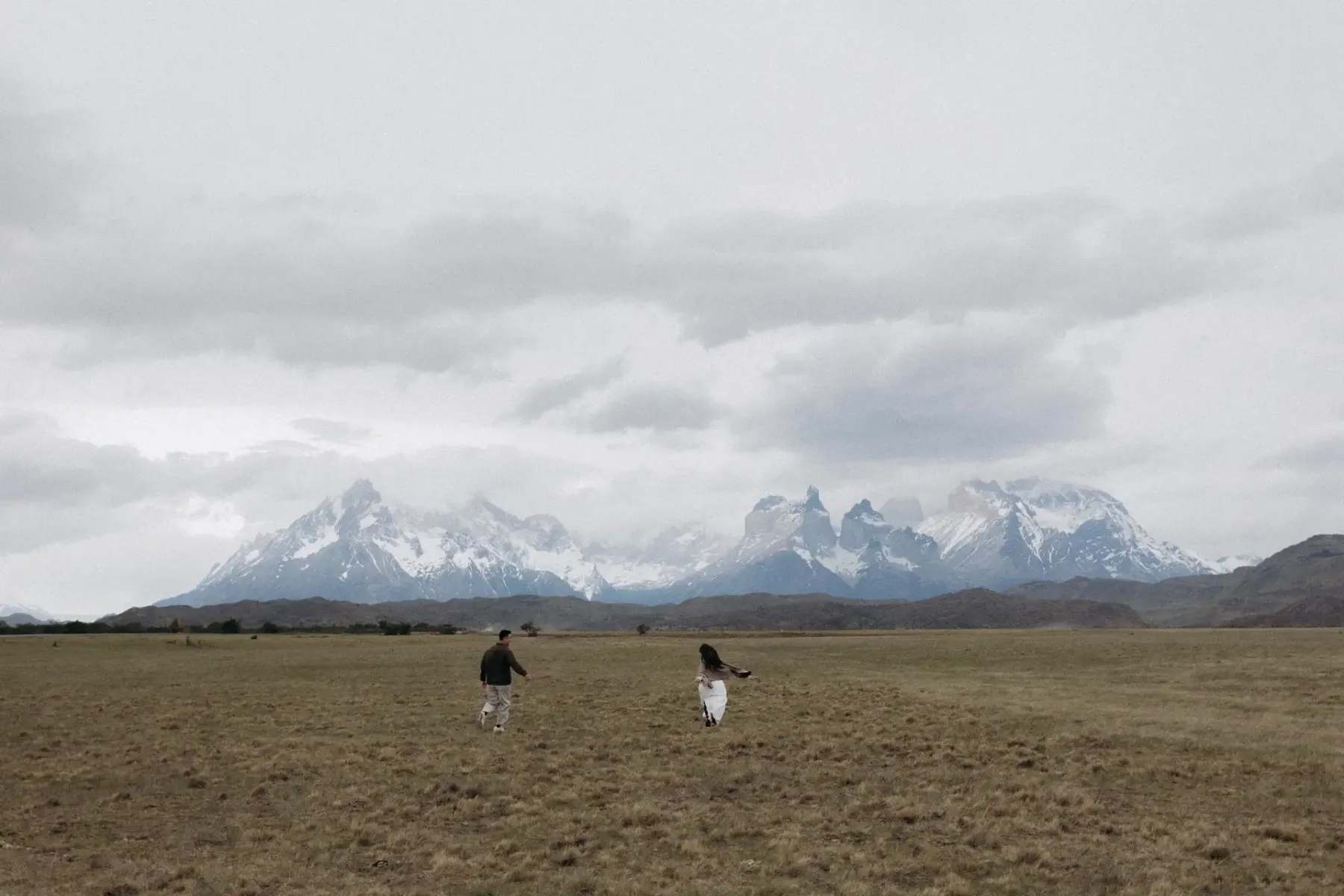
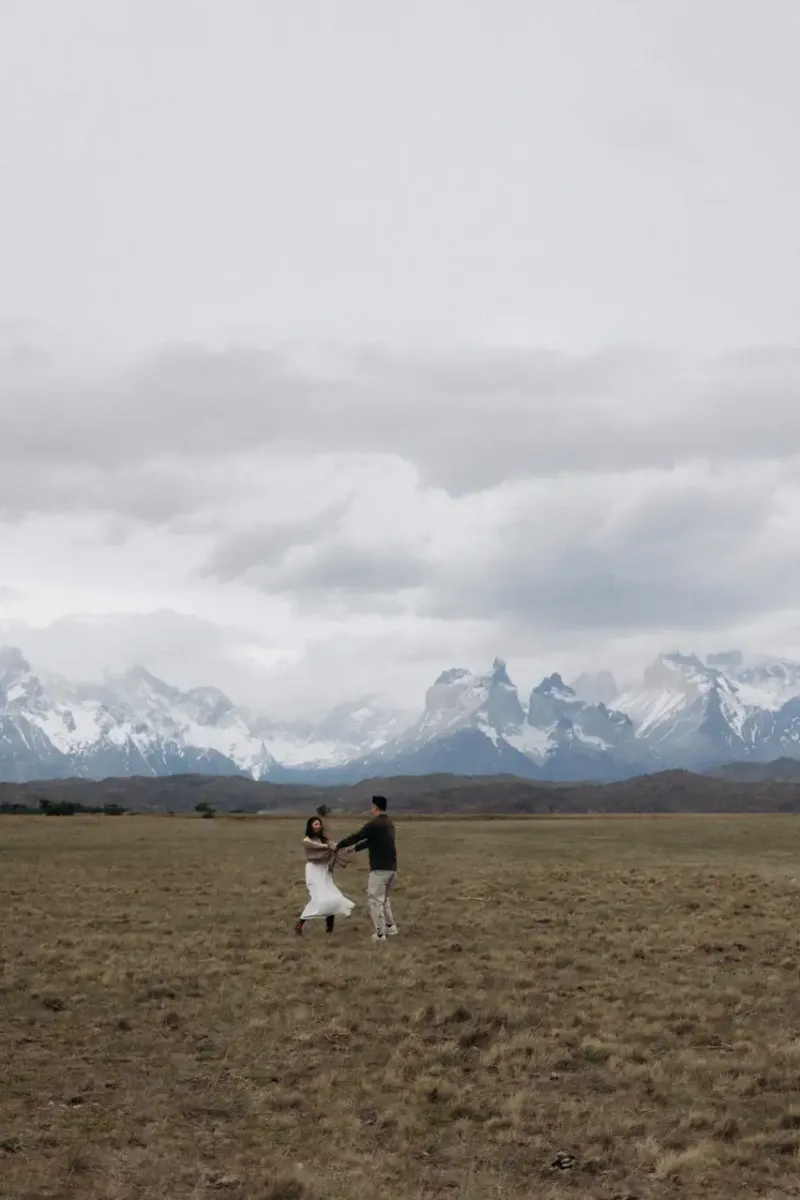
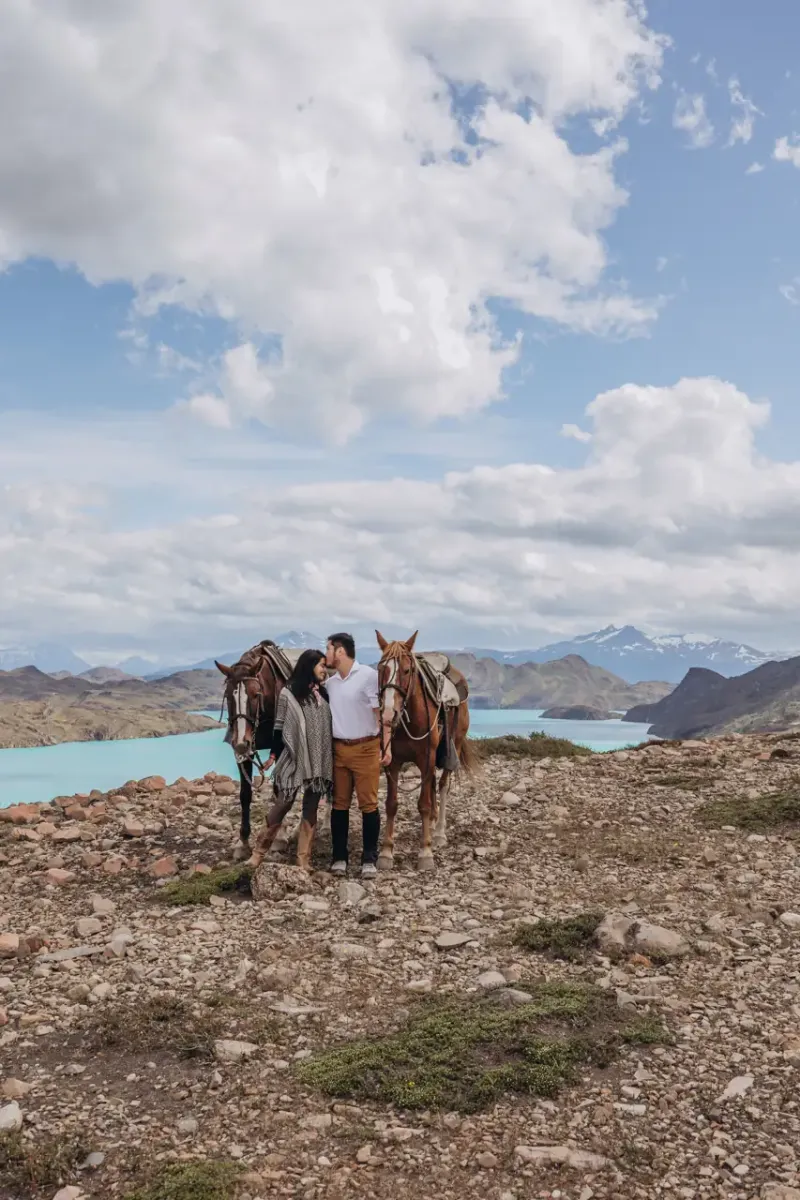
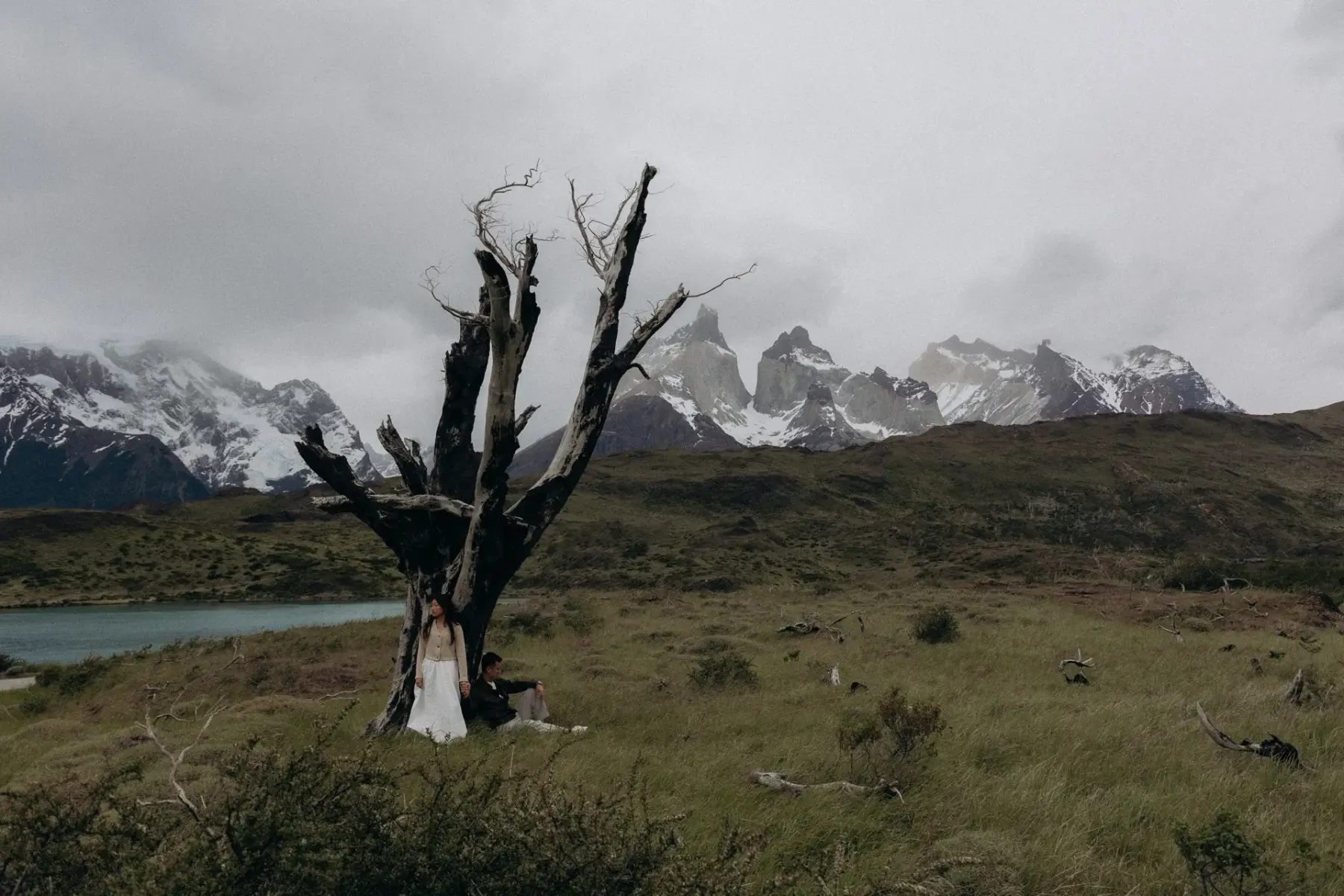
Yes, I want to continue growing as an elopement and destination photographer in Latin America. Over the years, my work has taken me to extraordinary places in Chile, locations that many people dream of visiting at least once in their lifetime. But I feel ready to expand further and move beyond the boundaries of a single country.
It seems to me that many people are starting to feel a bit fatigued by the standard elopement destinations in Europe. In that sense, I see enormous potential in Latin America. I would love to help reveal that potential and show that this region can and should be developed as a powerful and inspiring destination for meaningful, unconventional elopements.
“Over the years, my work has taken me to extraordinary places in Chile, locations that many people dream of visiting at least once in their lifetime. But I feel ready to expand further and move beyond the boundaries of a single country”
Do you see your work as a reflection of Chilean talent? In what ways does local culture influence your photography, particularly when working on destination weddings?
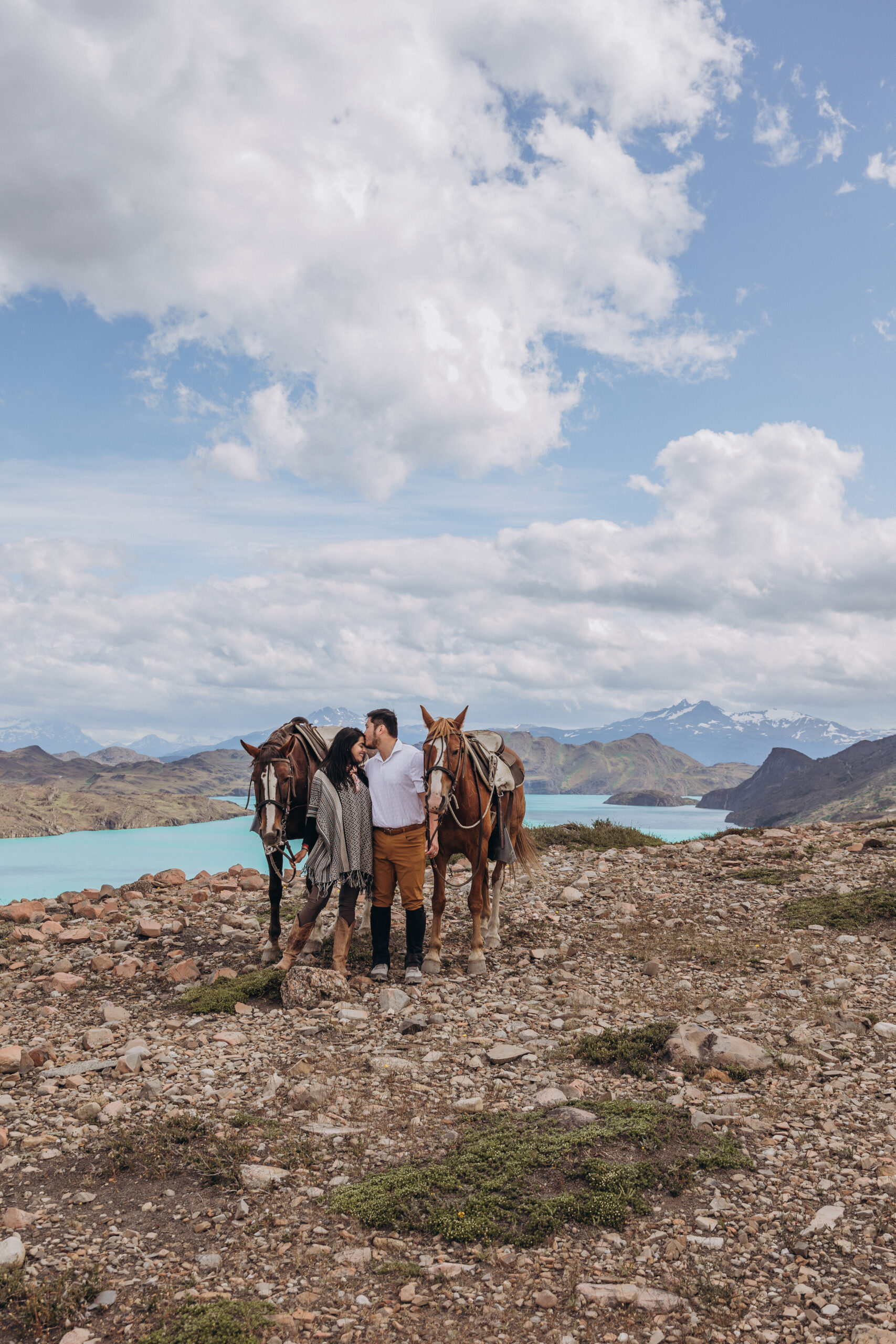
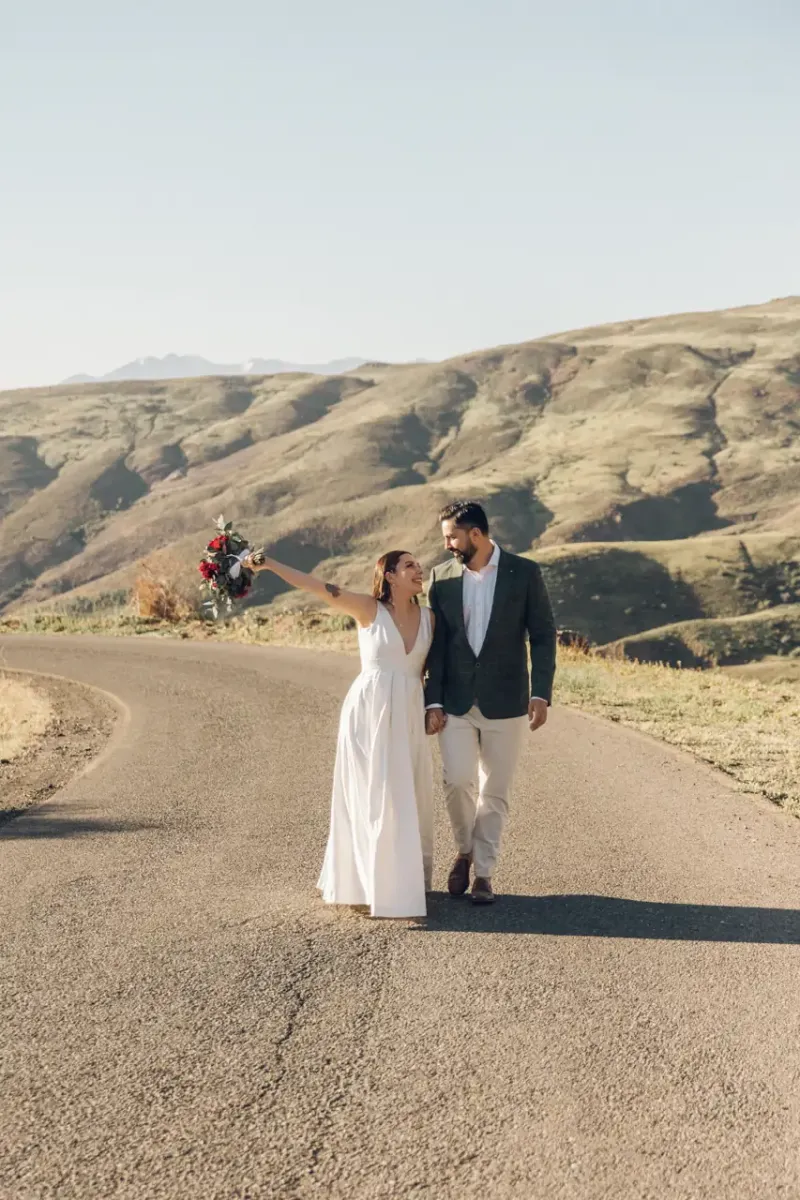
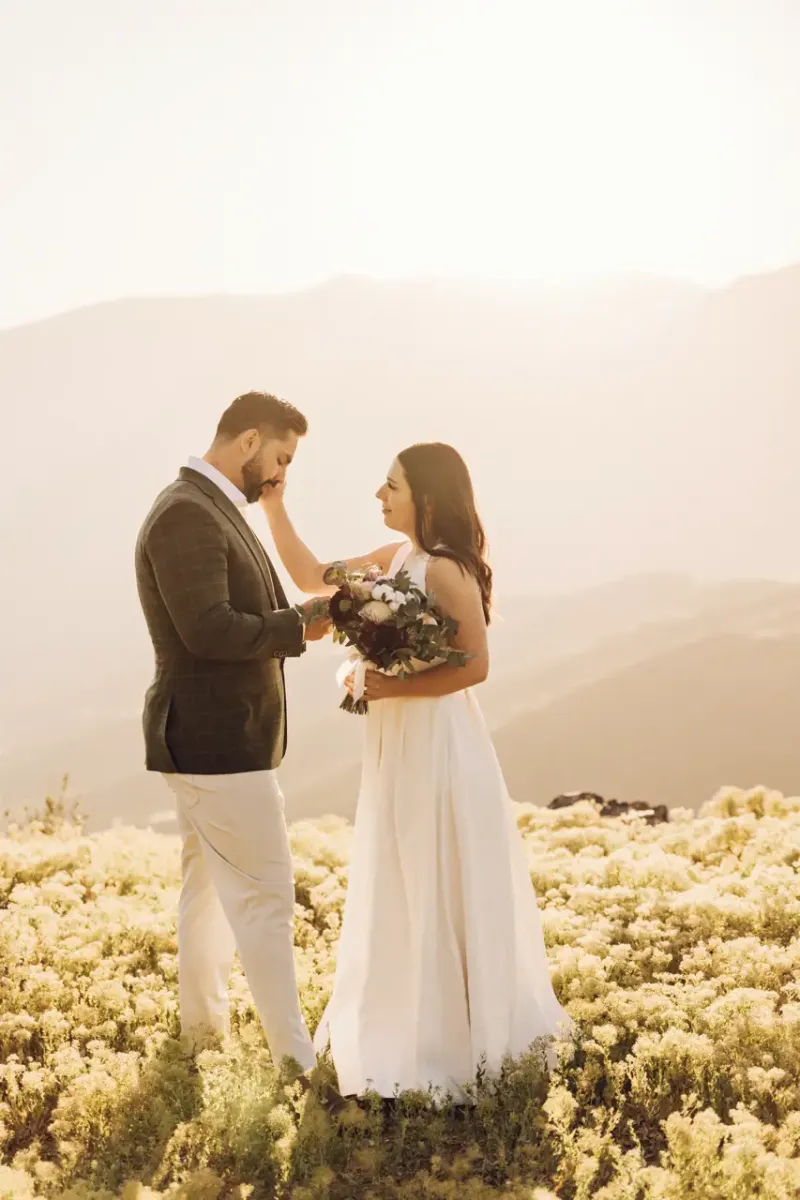
No, I wouldn’t say that my work is directly influenced by Chilean culture. In fact, I moved here with an already well-defined visual style that differs quite significantly from what is commonly offered by local photographers. My approach is more delicate and introspective, focused on capturing my clients’ inner world, with great attention to subtle details, a depth that is still less present in much of the local market. This difference is something that has been noted not only by my clients, but also by Chilean colleagues themselves. I occasionally receive feedback from local photographers saying that my vision and my work inspire them. In that sense, the influence works in the opposite direction.
I genuinely enjoy standing out with my own style in the local market, but it’s important to say that this distinction came through a great deal of work and dedication.
In an industry driven by trends and visibility, what does authenticity mean to you as a professional and artist?
In an industry driven by trends and visibility, authenticity is the core of everything I do. I think it’s clear throughout this interview that I don’t chase short-lived trends or external validation. Instead, I strive to create timeless imagery, work that my clients can return to years later and still recognize themselves in, without embarrassment or regret. For me, authenticity begins with honesty — with myself and with my clients. It’s about being present, attentive, and deeply engaged with their story. I seek a genuine connection that goes beyond aesthetics or visual impact, because only through that connection can real emotion surface.
That emotional truth is what allows me to create not just beautiful images, but meaningful visual narratives, photographs that carry memory, depth, and a sense of lived experience, rather than simply reflecting what is fashionable at the moment.