An Intimate Conversation on Place, Creativity, and Intentional Design
Antia Weddings on Building a Destination Design Studio in Nicaragua
Many creatives arrive at weddings through unexpected routes. What first drew you into this industry, and when did you realize weddings could become a meaningful creative practice — not just a service, but a long-term expression of your vision?
Creativity has always been part of who I am. My grandmother and my mother are both artists, and while I didn’t inherit their ability to paint, I did inherit their eye. I grew up surrounded by good taste, sensitivity, and an instinct for imagining what things could become. I’ve always been able to picture ideas in my head and see potential in spaces, moments, and people.
I’ve also always been very drawn to people. I genuinely enjoy making others feel good, whether that’s hosting a dinner at my house, planning a birthday for my kids, or simply creating an environment where people feel comfortable and cared for.
Weddings came into my life through my own experience. Designing and planning my wedding felt completely natural and surprisingly fulfilling. It made me realize that I wasn’t just organizing details, I was creating an experience with meaning and intention.
That realization stayed with me, so I decided to study wedding design and management in Madrid. When I came back, I started Antía almost without overthinking it, as a side project driven by passion. Over time, it grew into my full-time work.
Today, weddings are not just what I do. They are a creative space where design, emotion, and human connection come together, and where I can express my vision in a way that continues to evolve.
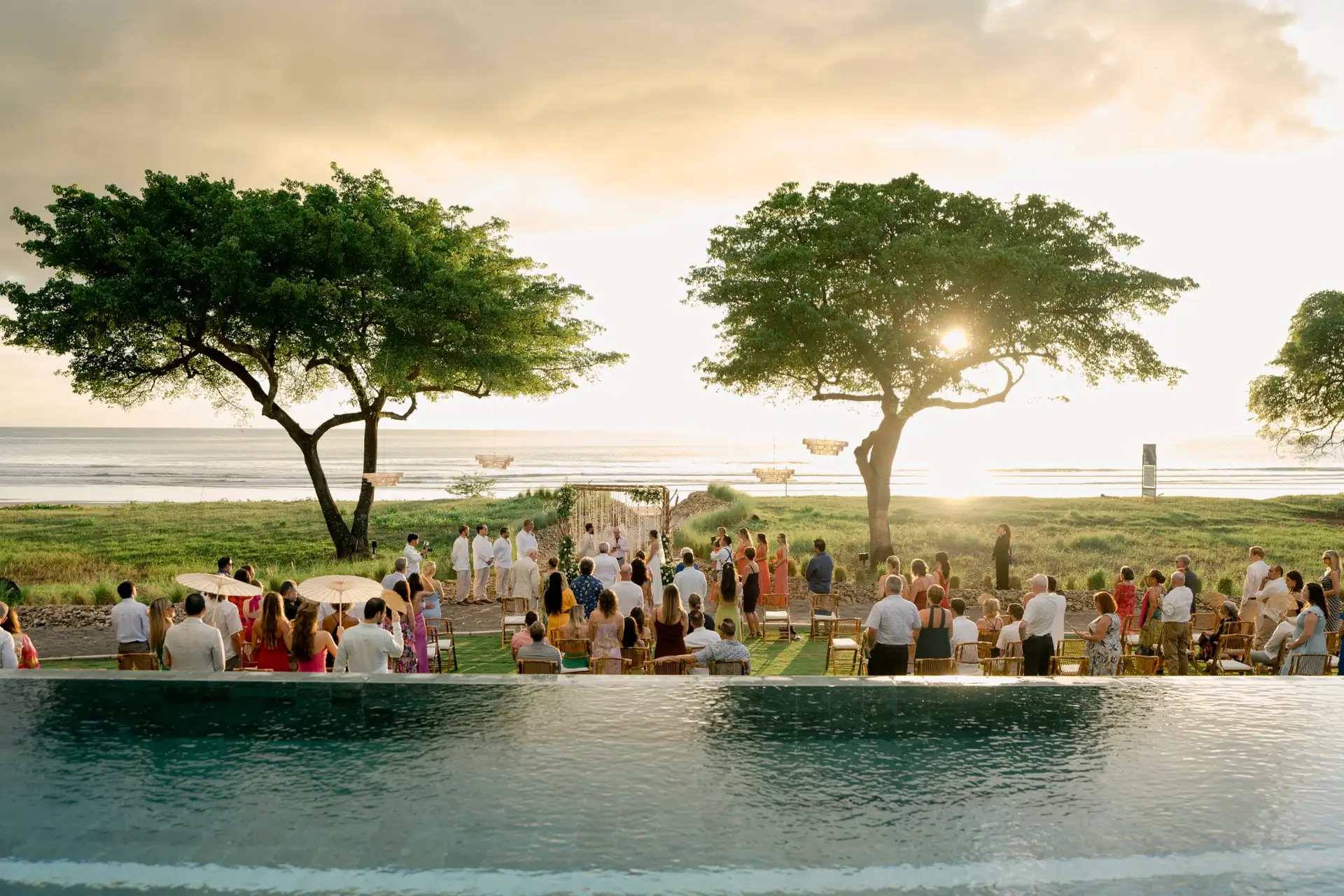
Antia weddings for Unico Love Club
How long have you been planning destination weddings?
I have been planning weddings for 10 years now.
Antia Weddings feels rooted in design, experience, and place rather than traditional planning alone. From the beginning, what kind of studio did you want to build — and what industry norms or expectations did you consciously decide not to follow?
From the very beginning, I knew I didn’t want to create cookie-cutter weddings. When I started Antía almost ten years ago, destination weddings were not common in Nicaragua. Most local weddings took place in traditional reception halls that were transformed for the day, and while that worked for many, it never fully resonated with me.
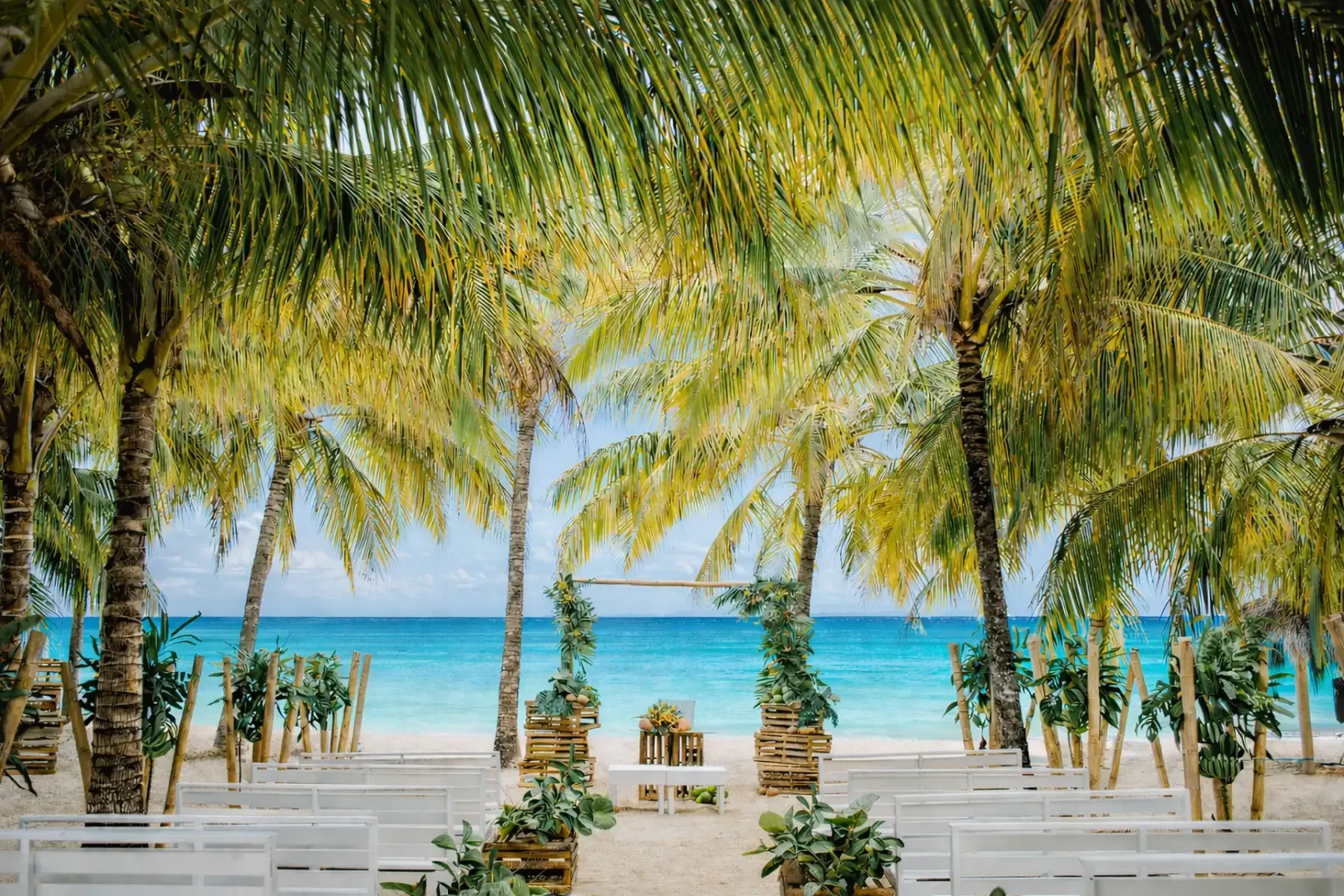
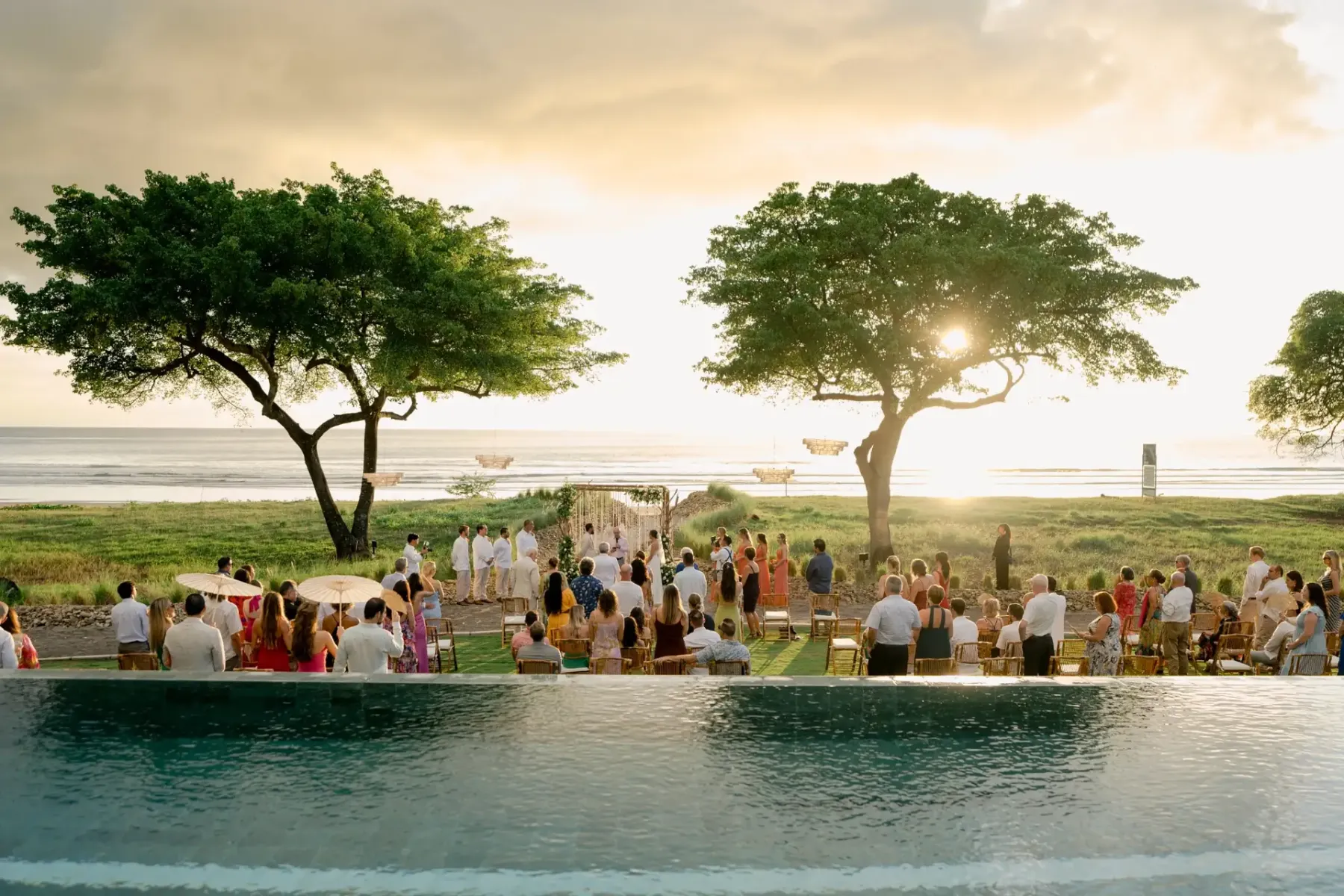
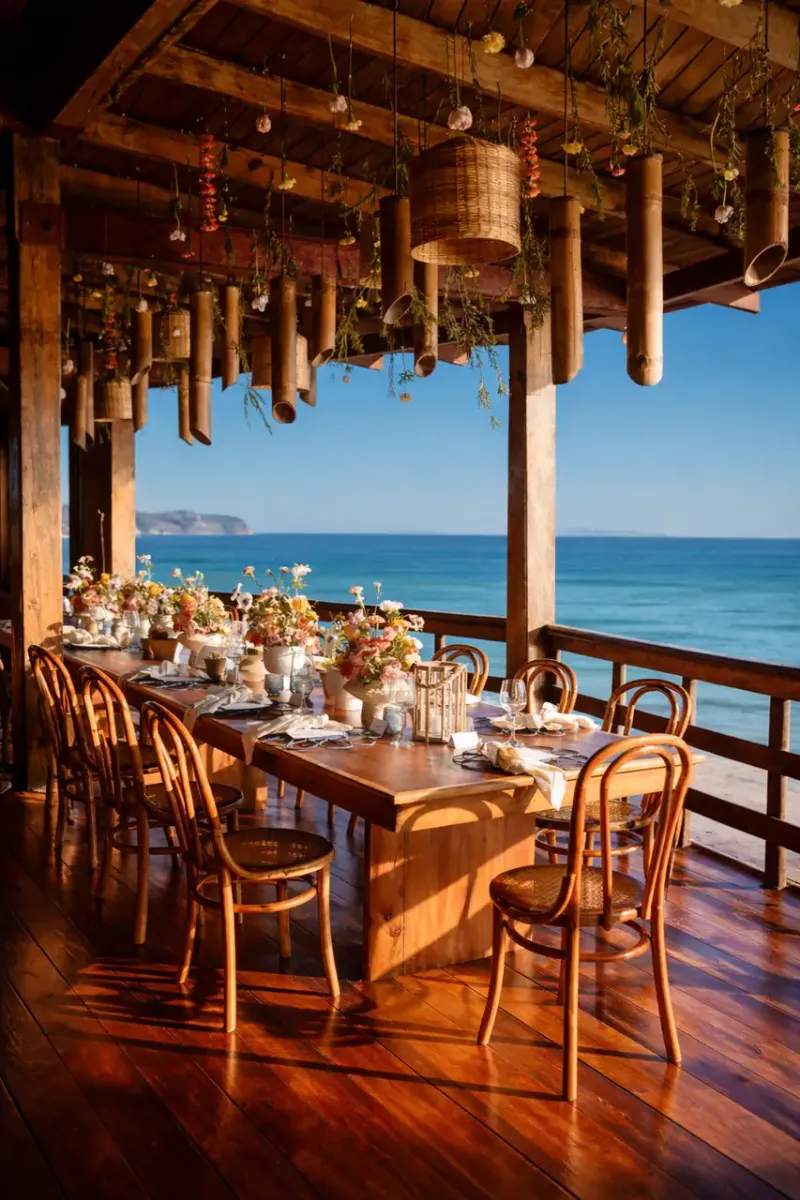
I have always been uncomfortable with overspending on things that are used once and then thrown away. It felt disconnected from the meaning of the celebration and from the place we live in. Nicaragua has so much natural beauty and so many incredible, still-unexplored locations. I wanted those landscapes to become part of the experience, not something hidden behind layers of decoration. Often, the place itself is the best backdrop.
At the same time, I felt strongly about working with what exists here. The craftsmanship in Nicaragua is extraordinary. Instead of importing generic décor or mass-produced elements, I wanted to collaborate with local artisans and create pieces that felt intentional and unique to each couple.
From the beginning, Antía was never about following a formula. It was about designing weddings that feel rooted in place, that respect materials, people, and context, and that tell a story that couldn’t exist anywhere else.
Your work is deeply connected to Nicaragua, its landscapes, textures, and rhythms, yet your clients often come from all over the world. How has working from this place shaped your creative point of view, and what opportunities or challenges come with designing globally from Central America?
This may sound like a funny answer, but a big part of it is that I know how to choose my clients. Antía is a boutique studio, and that has given me the opportunity to work with people who genuinely value my vision and trust the way I work.
Being based in Nicaragua has deeply shaped my creative point of view. The landscapes, the textures, the light, and the slower rhythm of life all influence how I think about design and experience. There is a strong sense of place here, and I believe that comes through in the work.
More than 90 percent of my clients live outside of Nicaragua, so trust becomes essential. That is probably the biggest challenge, but also a beautiful opportunity. Since they are not here full time, they have to rely heavily on my judgment and local knowledge. Clear communication is everything.
I listen a lot. Every design begins with understanding what the client wants, what they need, what resonates with them and what doesn’t. Once you truly listen, the design naturally evolves into something that feels authentic to them.
My work is never about imposing my personal taste. It’s about finding the balance between what I value as a designer and what the client will genuinely connect with. When that happens, the result feels honest, grounded, and deeply personal, even when it’s created from one place and experienced by people from all over the world.
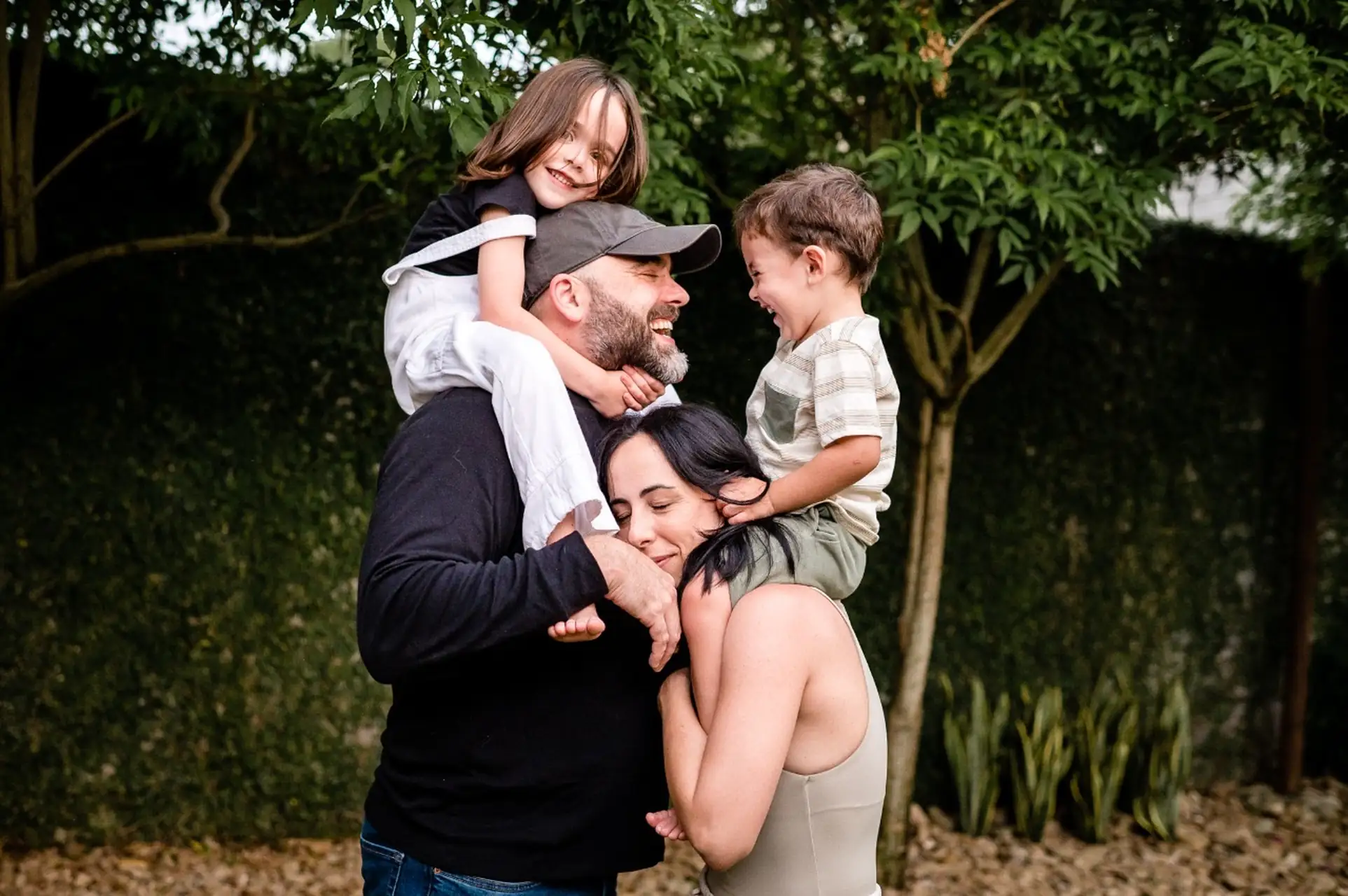
From the very beginning, I knew I didn’t want to create cookie-cutter weddings
For fellow planners and designers, can you walk us through how an idea takes shape at Antia — from the first conversation to the final design decisions? Where does intuition guide the process, and where does structure or discipline step in?
At Antía, every project begins with listening. The first conversations are not about trends or décor, but about understanding who the clients are. Their personalities, their dynamic as a couple, what makes them feel comfortable, and what they value. That understanding becomes the foundation for everything that follows.
Intuition plays a big role at this stage. As I listen, I start to sense what direction feels right and how to guide the process in a way that feels natural for each client. No two couples approach decisions in the same way, and part of my role is adapting the process so they feel supported rather than overwhelmed.
At the same time, design requires structure and discipline. My background in the corporate world gave me a strong foundation in planning, timelines, and attention to detail. That experience helps me balance creativity with logic and ensures that ideas are not only beautiful but also realistic and executable.
Once the creative direction is clear, the process becomes more structured. We translate intuition into concrete design decisions, technical details, and clear next steps. That balance between instinct and process is what allows the final design to feel effortless while being carefully thought through.
For me, intuition sets the direction, and structure makes it possible. One without the other wouldn’t work.